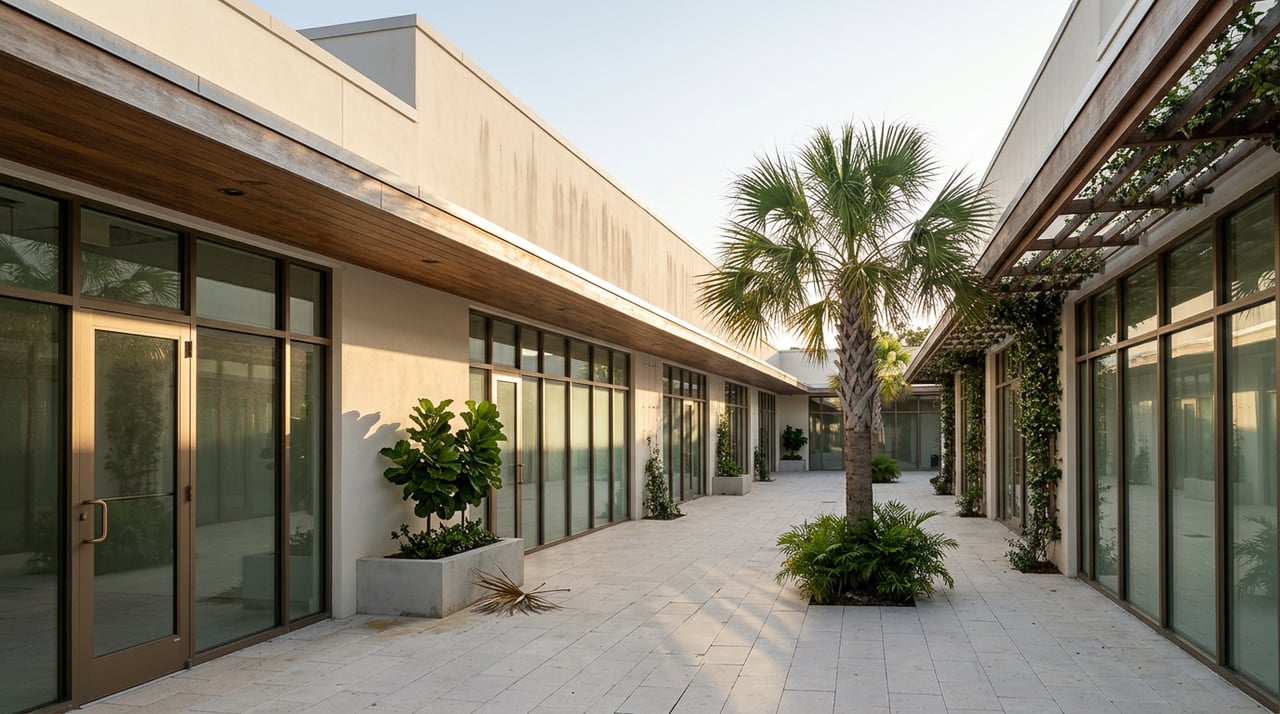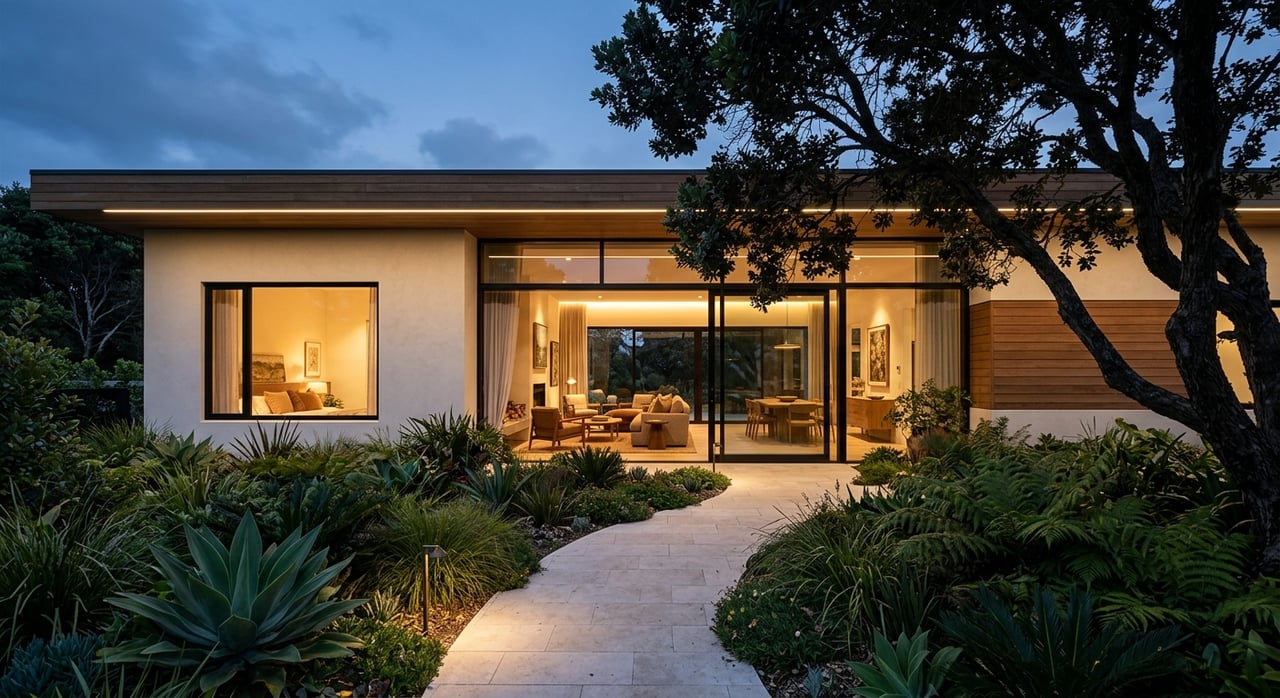
If you picture Miami living as all glass towers and resort-style amenities, Coconut Grove may surprise you. This is one of the city’s most established neighborhoods, with a lower-rise, greener, more village-like feel shaped by bayfront parks, marinas, and historic streets. If you are considering a move within Greater Miami or looking for a lifestyle rooted in walkability, water access, and architectural character, Coconut Grove offers a distinct point of view. Let’s dive in.
Why Coconut Grove Feels Different
Coconut Grove is best understood as a Miami-Dade neighborhood, not a high-rise district defined by density. City materials describe it as Miami’s original neighborhood, with roots dating to the 1870s, and much of it sits within the City of Miami while also extending into Coral Gables.
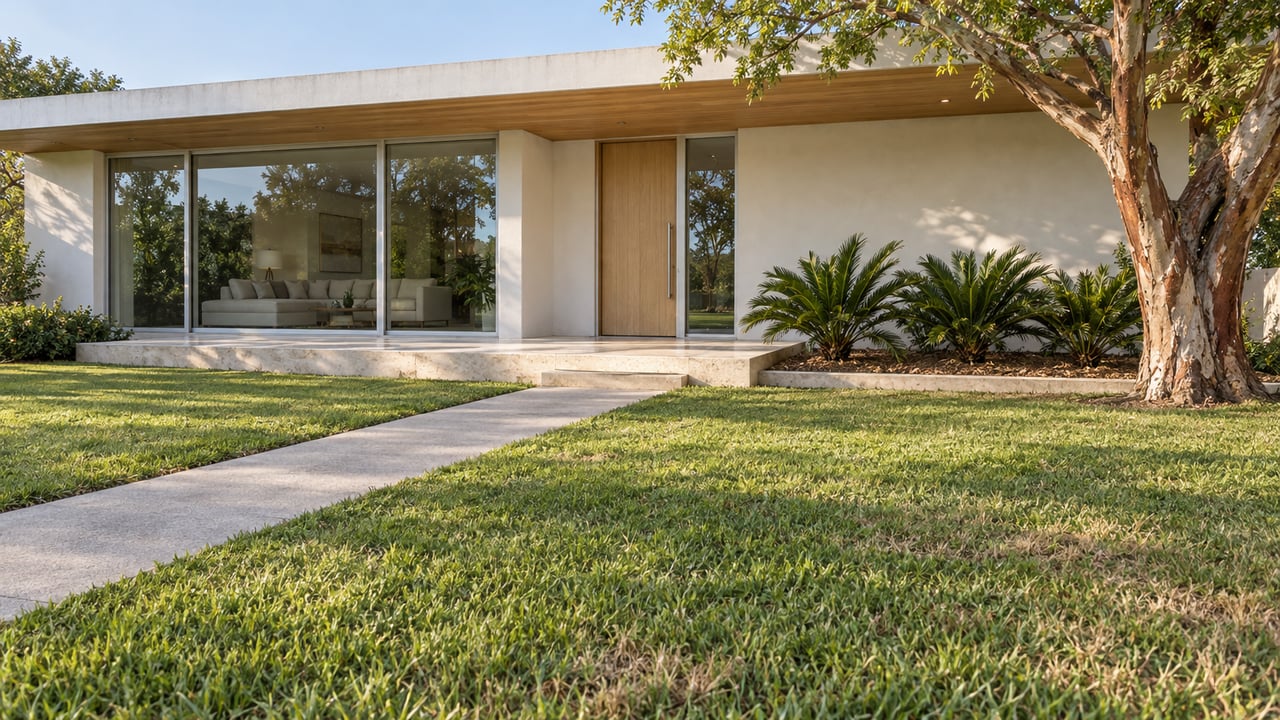
What makes the Grove stand out is its physical character. Planning documents for the Coconut Grove Neighborhood Conservation District emphasize preservation of tree canopy, green space, bay views, historic character, and architectural variety. In real life, that creates a setting that feels softer, more layered, and more residential than many of Miami’s more vertical areas.
Village Life Starts Outdoors
Daily life in Coconut Grove is closely tied to Biscayne Bay. The neighborhood’s identity is shaped by public access to the waterfront, mature landscaping, and parks that are woven into everyday routines rather than set apart as occasional destinations.
Peacock Park anchors that experience with 9.4 acres along the water. Nearby, Alice C. Wainwright Park protects a tropical hardwood hammock, while The Barnacle Historic State Park offers one of the most meaningful historic settings on the bay. The Barnacle, built in 1891, is the oldest house in Miami-Dade County still standing in its original location.
For buyers who value lifestyle, this matters. Coconut Grove offers a version of Miami where a walk near the bay, time in the park, or a casual stop along the waterfront can feel like part of a normal day.
Boating Is Part of the Rhythm
For many residents, the Grove’s connection to the water is not just scenic. It is practical. Dinner Key Marina and Mooring Facility has 587 wet slips and more than 250 moorings, and the City of Miami describes it as the largest wet-slip marina on the U.S. East Coast.
That scale gives Coconut Grove a boating culture that feels integrated into the neighborhood. The marina sits beside the historic former Pan Am terminal, now City Hall, and from there a short walk takes you into the retail and dining core. If you want a neighborhood where boating and daily convenience can exist in the same place, Coconut Grove makes a strong case.
Walkability With a Local Core
One of the Grove’s biggest lifestyle advantages is how compact its center feels. Dining, shopping, parks, and civic landmarks cluster around Main Highway, Grand Avenue, McFarlane Road, and CocoWalk, which serves as an open-air retail centerpiece.
This layout supports a more connected routine. Instead of needing to build your day around a car ride from one destination to another, you can move through a series of short walks between restaurants, shops, green space, and the bayfront.
The City of Miami’s Coconut Grove trolley route strengthens that sense of accessibility. It serves parks, shopping areas, and City Hall, reinforcing the neighborhood’s navigable core and making it easier to enjoy the area without relying entirely on driving.
A Neighborhood With Year-Round Culture
Coconut Grove is not just attractive. It has a civic and cultural identity that has held up over time. The Coconut Grove Arts Festival traces its roots to 1963, and the neighborhood has long been described as Miami’s original art district.
Held annually over Presidents’ Day weekend, the festival has grown into one of the nation’s largest outdoor arts festivals. That kind of event gives the neighborhood a rhythm that extends beyond real estate and into community life.
Other traditions help round out that identity. The King Mango Strut, which began in 1982 as a satirical parade, remains a beloved recurring event, and The Barnacle hosts concerts and other programming on its grounds. Together, these traditions support the idea of Coconut Grove as a place with active street life throughout the year.
Dining and Retail Stay Close to Home
Coconut Grove’s commercial experience is part of its appeal because it feels concentrated rather than sprawling. You can find both long-established institutions and newer dining options along the same walkable streets, which helps the neighborhood feel lived-in and layered instead of overly curated.
CocoWalk serves as a central retail anchor, while the surrounding streets create a more neighborhood-oriented mix. The Saturday organic farmers market at Grand Avenue and Margaret Street adds another dimension, giving residents a regular market experience that fits naturally into a weekend routine.
For many buyers, that kind of convenience is a real quality-of-life advantage. You are not just buying access to amenities. You are buying into a pattern of living where daily errands, dining plans, and casual outings can happen close to home.
Architecture Gives the Grove Its Character
Architecture is one of the clearest reasons Coconut Grove feels different from many other Miami neighborhoods. Preservation materials identify Bahamian or Conch houses, South Florida bungalows, and frame-vernacular buildings as important local types, while planning documents emphasize the importance of preserving architectural variety.
The commercial core adds more layers, including Mission-style and Mediterranean-influenced buildings. That mix creates a streetscape with texture and visual history, which is very different from neighborhoods where most buildings come from the same development cycle.
For buyers who value homes and neighborhoods with personality, this architectural variety can be a major draw. The Grove does not present a single look. Instead, it offers a more collected, organic sense of place.
History Is Visible in the Streetscape
Coconut Grove’s identity is also shaped by the people and communities that built it. Historic walking tour materials document a long-standing Black Bahamian community in the West Grove and Charles Avenue area, tying the neighborhood to maritime labor, settlement history, and early building traditions.
That history gives the area depth beyond its bayfront setting. In Coconut Grove, the past is not hidden behind newer development. It remains visible in the built environment and in the neighborhood’s broader story.
For many buyers, that kind of authenticity matters. It can make a neighborhood feel more rooted, more memorable, and more enduring over time.
Regional Access Adds Convenience
A village atmosphere does not mean isolation. Miami-Dade Transit notes that Metrorail serves downtown Miami and Miami International Airport, and the Coconut Grove Metrorail Station reopened in May 2025 after modernization connected to the Grove Central transit-oriented project.
That regional connectivity adds practical value for buyers who want a more residential lifestyle without giving up access to the rest of Miami. Whether you split time between neighborhoods, travel often, or simply want more transit options, Coconut Grove offers a useful balance between charm and convenience.
Who Coconut Grove Often Appeals To
Coconut Grove tends to resonate with buyers who want Miami access without the feel of a tower-centered district. It is especially compelling if you value walkability, bayfront scenery, mature greenery, boating access, and a neighborhood with visible history.
It can also be a fit if you are looking for a home base that feels established rather than newly manufactured. The Grove’s appeal comes less from a resort mindset and more from the everyday pleasures of place: tree-lined streets, local events, waterfront parks, and architecture with range.
For some buyers, that difference is exactly the point. Coconut Grove offers a version of Miami life that feels quieter, more grounded, and more connected to the bay.
If you are exploring Coconut Grove as part of a move, second-home search, or broader Miami real estate strategy, working with an advisor who understands how lifestyle, location, and long-term value intersect can make the process more focused and efficient. For a discreet, high-touch approach to finding the right fit in Greater Miami, connect with Shayna Hanson.
FAQs
What makes Coconut Grove different from other Miami neighborhoods?
- Coconut Grove stands out for its village-like feel, mature tree canopy, bayfront parks, marina access, and architectural variety rather than a skyline of high-rise residential towers.
What parks and waterfront spaces define Coconut Grove living?
- Key public spaces include Peacock Park, Alice C. Wainwright Park, and The Barnacle Historic State Park, all of which help shape the neighborhood’s close connection to Biscayne Bay.
What is Dinner Key Marina in Coconut Grove?
- Dinner Key Marina and Mooring Facility is a major public marina in Coconut Grove with 587 wet slips and more than 250 moorings, and the City of Miami describes it as the largest wet-slip marina on the U.S. East Coast.
What cultural events are associated with Coconut Grove?
- Coconut Grove is known for the Coconut Grove Arts Festival, which began in 1963, as well as recurring local traditions like the King Mango Strut and events hosted at The Barnacle.
Is Coconut Grove walkable for dining and shopping?
- Yes. Much of the neighborhood’s dining, retail, and gathering spaces are concentrated around Main Highway, Grand Avenue, McFarlane Road, and CocoWalk, creating a compact and walkable core.
Does Coconut Grove have transit access to other parts of Miami?
- Yes. Miami-Dade Transit serves the area through Metrorail, which connects to downtown Miami and Miami International Airport, and the Coconut Grove Metrorail Station reopened in May 2025 after modernization.