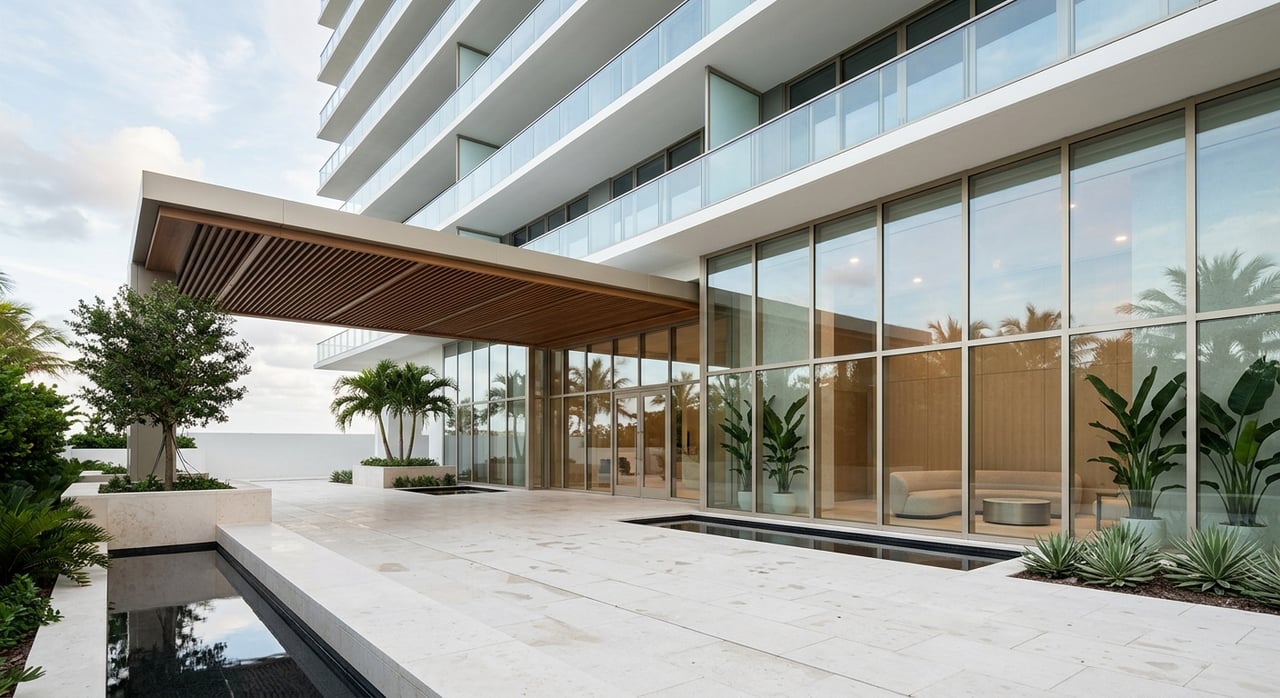
If you want to live near Biscayne Bay without stepping away from Miami’s cultural core, Edgewater and Midtown deserve a closer look. This corridor offers a rare mix of waterfront access, high-rise living, walkable daily conveniences, and close ties to some of the city’s most creative districts. Whether you are searching for a full-time residence, a lock-and-leave condo, or a Miami base with strong lifestyle appeal, understanding how this area functions day to day can help you make a smarter move. Let’s dive in.
Edgewater and Midtown as One Corridor
Edgewater and Midtown are recognized City of Miami neighborhoods, but for many buyers, they work best as one connected urban corridor. City mapping and planning documents place them within Miami’s central urban core alongside Downtown, the Arts & Entertainment District, Wynwood, Overtown, and the Design District.
That matters because your experience here is not limited to one set of blocks. Instead, you are living in a highly connected stretch of Miami where residential towers, parks, dining, shopping, and cultural destinations all feed into the same daily rhythm.
Midtown often serves as shorthand for the corridor’s mixed-use character. The district includes residential buildings alongside shops, services, restaurants, and office space, which helps explain why the area feels active throughout the day.
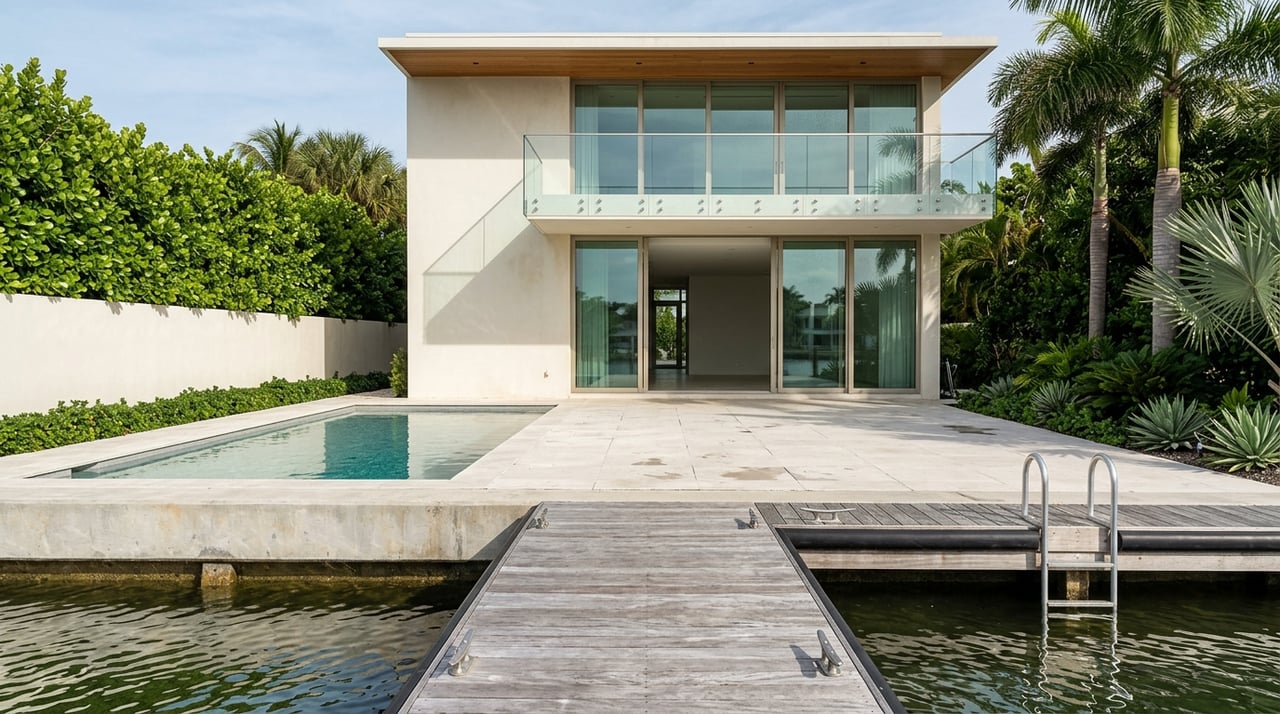
Bayfront Living With Daily Use
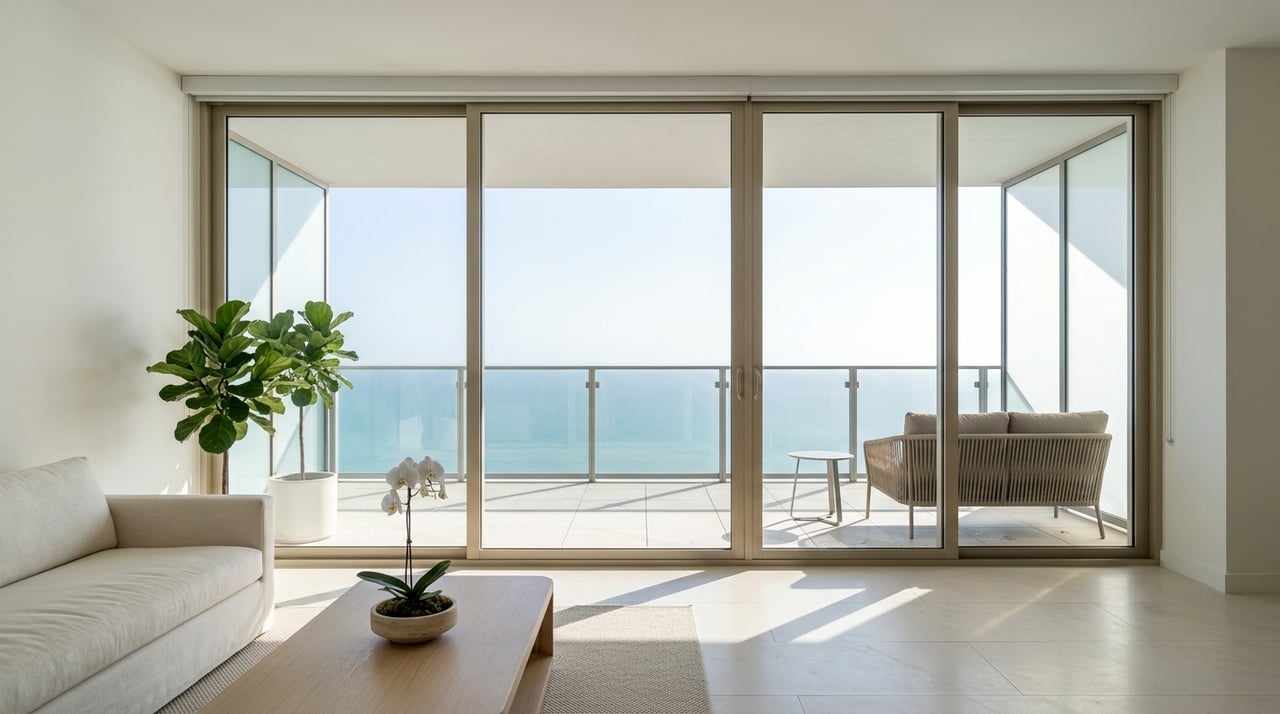
In Edgewater, bayfront living is not just about views from a balcony. It also shows up in how you spend your mornings, evenings, and weekends.
Margaret Pace Park is one of the area’s most practical outdoor anchors. The City of Miami lists basketball courts, a dog park, outdoor gym equipment, picnic tables, a playground, tennis, volleyball, walking trails, and waterfront access, with hours from 7:00 a.m. to 10:00 p.m.
That range of amenities makes the park part of real daily life. If you value an active routine, being near this kind of public space can change how often you get outside without needing to plan a full outing.
The waterfront story extends beyond one park. Maurice A. Ferré Park, located at 1075 Biscayne Boulevard, adds to a broader chain of public bayfront space tied into Downtown and the central business district.
Taken together, these parks support one of the corridor’s clearest advantages. You can stay close to the water while remaining firmly connected to the city.
Urban Convenience in Midtown
One of the strongest reasons buyers consider this area is simple: everyday life can be easier here. Midtown Miami’s directory shows a dense mix of retail, grocery, dining, and services that supports a convenient condo lifestyle.
Retail and grocery anchors include Target, Trader Joe’s, HomeGoods, Marshalls, Nordstrom Rack, and West Elm. For many residents, that means errands, quick household purchases, and casual shopping happen close to home instead of becoming a cross-town task.
The dining mix also reinforces the neighborhood’s urban feel. Midtown’s directory includes Sugarcane, Tap 42, Salumeria 104, Spris, Midtown Oyster Bar, Angelinas Coffee Bar, and Pasion Del Cielo.
This kind of setup appeals to buyers who want a neighborhood where you can meet a friend for coffee, grab lunch, pick up essentials, and head home without a complicated drive. It is one of the clearest examples of why Edgewater and Midtown feel city-first rather than resort-first.
Daytime Energy and Mixed-Use Appeal
Midtown’s design supports more than residential convenience. It also creates a sense of daytime movement that many buyers find appealing.
A good example is Midtown Miami’s Lunch Crunch program. Participating restaurants offer two hours of free parking with validation from noon to 3 p.m. on weekdays in the North Block and South Block garages.
On its own, that may sound like a small detail. In practice, it reflects how the district is built for quick meetings, lunch breaks, short errands, and a flexible urban routine.
For buyers who split time between cities or work remotely, that kind of practical functionality can be just as important as skyline views. It helps the neighborhood feel useful, not just attractive.
Close to Design and Arts Districts
Another major advantage of this corridor is how easily it connects you to nearby cultural hubs. Edgewater and Midtown are not isolated waterfront enclaves. They sit close to some of Miami’s most recognizable districts for art, design, dining, and events.
The Miami Design District brings an upscale layer to the surrounding area. The district describes itself as a creative neighborhood for dining, shopping, art, events, and inspiration, with more than 200 global luxury brands and several Michelin-recognized restaurants, including L’Atelier de Joël Robuchon, Le Jardinier, and Côte.
Wynwood adds a different kind of energy. According to the Wynwood BID, the district spans 50 city blocks, includes more than 200 street murals and more than 100 eateries, and stands as one of the largest and most prominent creative communities in the United States.
Wynwood Walls also gives the area a singular cultural landmark. It is described as the nation’s first and only outdoor street art museum.
For buyers, this means your social and cultural radius can extend well beyond your building. You are near the bay, but you are also near some of Miami’s most active destinations for art, food, and design.
Getting Around the Corridor
Connectivity is a key part of what makes Edgewater and Midtown practical. The area works best when you think of it as part of a broader city-center network.
The City of Miami’s Biscayne trolley serves Downtown Miami, Brickell, and the Biscayne corridor. Major stops include Adrienne Arsht Metromover Station, Bayfront Park and Maurice Ferré Park, the Design District, Midtown, and Downtown Shopping.
The Wynwood trolley adds another layer of connection, with links that include Midtown Shopping and Target as well as Margaret Pace Park and Roberto Clemente Park. Miami-Dade’s free Metromover system also serves Downtown, Omni, and Brickell.
These links support a more connected urban lifestyle, especially if you spend time in neighboring districts. At the same time, it is worth knowing that the City trolley system does not go to Miami Beach, so beach access is more of a car, ride-share, or causeway story than a transit story.
A Corridor Still Evolving
One reason this part of Miami continues to draw attention is that its connectivity story is still growing. Public infrastructure projects are shaping how the corridor may function in the years ahead.
A notable example is the I-395 Underdeck and Heritage Trail project. According to the City fact sheet, it will create a shared-use trail connecting Overtown, Downtown, the Arts & Entertainment District, and Edgewater and Midtown, with improved pedestrian and bicycle access built into the design.
That planned connection reinforces the idea that this is part of a larger central Miami network. For buyers who value walkability, bike access, and stronger ties between neighborhoods, that is a meaningful detail.
The Waterfront Reality
Bayfront living can be compelling, but informed buyers also look at resilience. In Edgewater, that includes ongoing coastal infrastructure work.
As of December 2025, the City’s Edgewater seawall project was in design and covers eight seawalls along Biscayne Bay. The project affects 1,090 properties and is tied to an estimated $1 billion in protected property value.
This does not change the appeal of waterfront ownership. It simply adds an important layer of realism that sophisticated buyers appreciate, especially in a coastal market where long-term planning and infrastructure matter.
Who Edgewater and Midtown Fit Best
This corridor tends to fit buyers who want an urban Miami lifestyle with water views and practical convenience. It can be especially appealing if you prefer a condo setting, like having dining and errands nearby, and want easy access to cultural districts without leaving the city center.
It may also suit second-home buyers looking for a lock-and-leave base. You get access to bayfront parks, nearby retail, and a strong connection to Midtown, Wynwood, the Design District, Downtown, and Brickell.
The trade-off is straightforward. This is an energetic, highly urban environment, not a secluded or low-density neighborhood.
For many buyers, that is exactly the point. Edgewater and Midtown let you live near Biscayne Bay while staying plugged into Miami’s design, dining, and cultural core.
If you are considering a residence in Edgewater or Midtown, working with an advisor who understands tower inventory, lifestyle fit, and the nuances of Miami’s urban waterfront can make the search far more efficient. For discreet guidance and tailored buyer representation, connect with Shayna Hanson.
FAQs
What is the difference between Edgewater and Midtown in Miami?
- Edgewater and Midtown are separate recognized City of Miami neighborhoods, but they are often best understood as one connected urban corridor within central Miami.
What parks support daily life in Edgewater Miami?
- Margaret Pace Park is a major daily-use amenity in Edgewater, with walking trails, waterfront access, tennis, volleyball, a dog park, playground, outdoor gym equipment, and other recreation features.
What makes Midtown Miami convenient for condo living?
- Midtown Miami combines residential buildings with grocery, retail, dining, and services, including Target, Trader Joe’s, HomeGoods, Marshalls, Nordstrom Rack, West Elm, and a wide mix of restaurants and coffee spots.
How do Edgewater and Midtown connect to Wynwood and Downtown Miami?
- The Biscayne trolley, Wynwood trolley, and the free Metromover help connect parts of the corridor to Downtown, Brickell, Midtown, nearby parks, and surrounding urban districts.
Is Edgewater or Midtown a beach lifestyle neighborhood?
- The corridor offers bayfront living and access to waterfront parks, but it is better described as city-first rather than resort-first, and Miami Beach access is typically by car, ride-share, or causeway rather than city trolley.
What should buyers know about waterfront infrastructure in Edgewater Miami?
- Buyers should know the City has an Edgewater seawall project in design that covers eight seawalls along Biscayne Bay, reflecting the importance of coastal resilience and long-term infrastructure planning in waterfront areas.