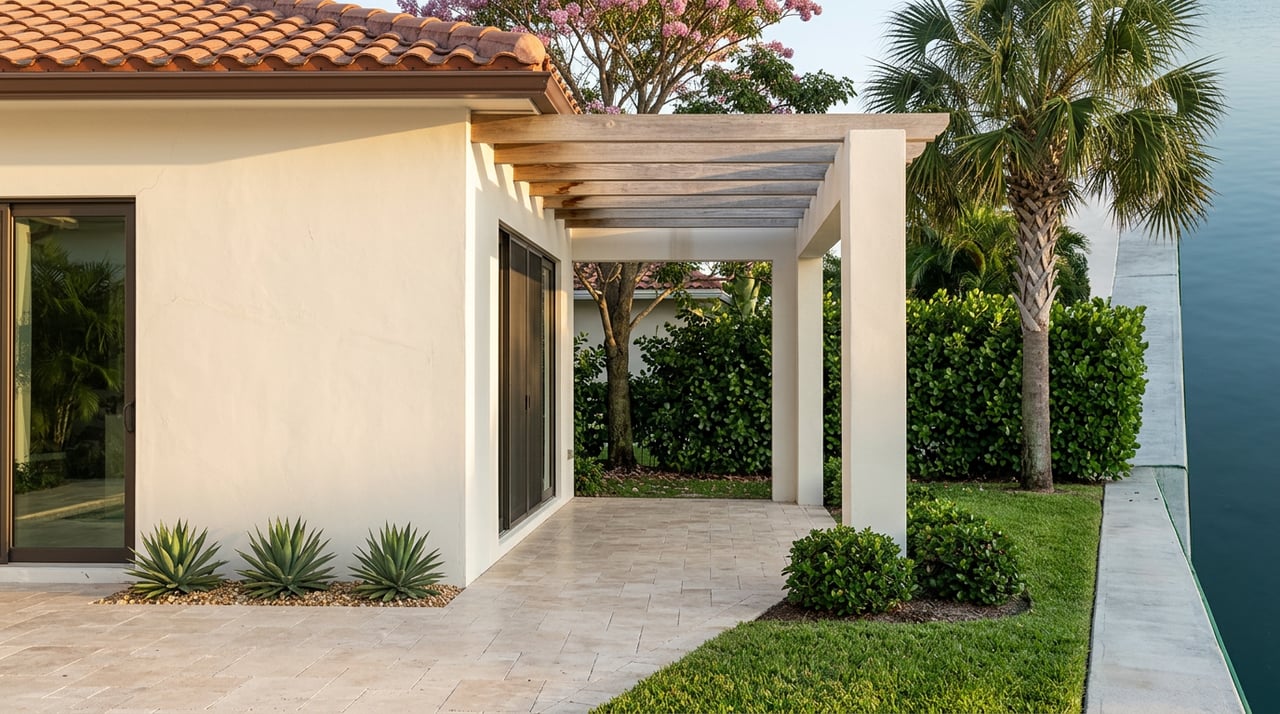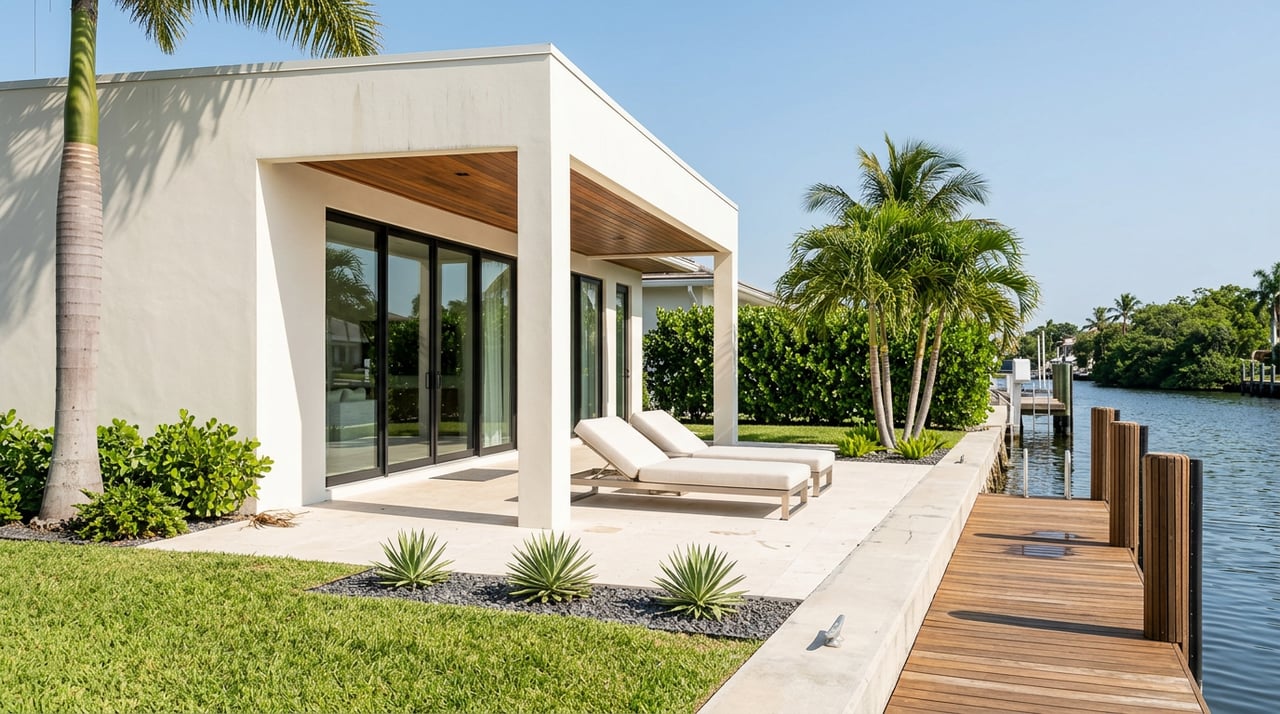
Craving more privacy and a true on‑the‑water lifestyle, but not sure if that means a Biscayne Bay island estate or a prime Miami Beach address on the main barrier island? You are not alone. At this level, the tradeoffs are real: gate security versus walkability, skyline sunsets versus Atlantic sunrises, and yacht dockage versus beach frontage. In this guide, you will learn exactly what you gain and what you give up in each setting so you can buy with clarity and confidence. Let’s dive in.
What we mean by “islands” and “mainland”
The “islands” here are Biscayne Bay enclaves between Miami and Miami Beach that most buyers mean when they say island estates: Star Island, Palm Island, Hibiscus Island, the Sunset Islands, and the Venetian Islands chain (Belle Isle, Rivo Alto, San Marino, Di Lido, San Marco, Biscayne). Some entrances are guarded and vehicle access is controlled. Others feel more like quiet residential neighborhoods with public causeway access.
“Mainland Miami Beach” in this comparison means the primary Miami Beach barrier island neighborhoods where you find oceanfront and bayfront homes and top condo towers. Think South of Fifth, Sunset Harbour and parts of Mid‑Beach, plus single‑family corridors like North Bay Road and La Gorce.
Privacy and security
If privacy sits at the top of your list, the guarded MacArthur Causeway islands deliver it at the street level. Star, Palm and Hibiscus typically have controlled vehicle access and many estates add private security. That setup offers a level of day‑to‑day seclusion you will not find on most public streets.
The Venetian Islands trade some of that seclusion for a neighborhood feel. You still get a quiet, low‑speed environment, but the causeway invites more bike and foot traffic. It is a refined residential setting rather than a fully gated enclave.
On the Miami Beach barrier island, privacy is handled property by property. Large homes on North Bay Road and La Gorce often rely on setbacks, high walls, and gated drive courts. In South of Fifth and along active corridors, streets are public and lively, which can feel less private but more walkable. Be candid about the tradeoff: gate security can also slow guest access and deliveries, while public streets make logistics easier.
Views and orientation
Bay‑oriented islands face Biscayne Bay with calmer waters, wide sunset skies and dramatic downtown skyline views. That is a different visual experience than waking to the Atlantic.
Oceanfront addresses on Collins Avenue and South of Fifth put you directly on the beach, with uninterrupted sunrise views and surf at your doorstep. Bayfront on the beach side, like North Bay Road, can mirror the skyline and sunset outlook you see from the islands, sometimes on larger lots.
| Setting | Primary view | Sunrise or sunset | Water conditions | Typical perks |
|---|---|---|---|---|
| Bay islands (Star, Palm, Hibiscus, Venetian) | Downtown skyline and sunsets over Biscayne Bay | Sunset emphasis | Calmer, protected waters | Private docks, yacht mooring, terrace living |
| Miami Beach oceanfront | Atlantic horizon and beach | Sunrise emphasis | Open ocean and surf | Beach access, boardwalk, resort amenities |
| Miami Beach bayfront (North Bay Rd/La Gorce) | Skyline and sunset over the bay | Sunset emphasis | Protected bay waters | Large estates, dockage, mainland access |
Recent trophy listings often highlight skyline panoramas from bayfront estates. A good example is the reported sale of 26 Star Island Drive for about 120 million dollars in March 2025, which set a county record and underscored how prized those views can be according to The Real Deal.
Architecture and lot character
Islands showcase a mix of eras and styles. You will see Mediterranean Revival holdovers, new modern tropical builds with glass and stone, rooftop terraces, and deep waterfront parcels that owners sometimes assemble over time. Hibiscus, Palm and Star feature bespoke architect projects designed around pool courts, boat lifts and long water frontage. A recent Hibiscus Island sale around 40.3 million dollars shows how modern estates command top valuations on these lots per The Real Deal.
The Venetian Islands feel more neighborhood‑scale. Expect a mix of single‑family homes and boutique condos, historic apartment buildings on Belle Isle, and a wide range of design languages on Rivo Alto, San Marino and Di Lido.
On the beach side, South Beach is famous for Art Deco and MiMo contexts that shape the streetscape and preservation framework. For a quick primer on the area’s historic styles and districts, review the Miami Design Preservation League’s overview of Miami Beach Historic Districts. By contrast, prime single‑family corridors like North Bay Road and La Gorce tend to be large modern or Mediterranean estates with long water frontage and significant privacy systems.
Boating and private docks
If you are a boater, the islands are built for you. Many estates on Star, Palm, Hibiscus and across the Venetian chain have private docks and lifts. On specific lots, owners advertise multi‑vessel or large‑yacht capacity. That said, every dock’s practical use depends on channel depths, fixed bridge clearances, and the permits that govern the structure.
Keep in mind that docks, piers, and shoreline work in Biscayne Bay fall under a layered federal, state and county permitting framework. The U.S. Army Corps of Engineers outlines how programmatic permits apply to certain activities in South Florida, which is a reminder that expansion or dredging is not a given and requires approvals. See the Corps’ public notice example for SAJ‑2011‑00964 for context on the process on the USACE site. Florida’s water resources statutes also regulate seawalls and shoreline stabilization, which is why a structural seawall inspection and permit history check are standard during due diligence. You can review the framework in Florida Statutes Chapter 373.
Pricing, scarcity and what sets records
Island trophies set headlines and reset expectations. The 120 million dollar Star Island sale mentioned above is a clear benchmark for the top of the island market. A waterfront Hibiscus Island mansion near 40.3 million dollars gives you a sense of the mid‑to‑upper tier. Owners also create value by assembling adjacent parcels to compete at the top. A three‑home Palm Island compound was publicly marketed around 150 million dollars, which shows how scarcity and assemblage can drive exceptional pricing as reported by Yahoo.
On the beach side, prime corridors like North Bay Road, La Gorce and South of Fifth regularly post high‑end activity that ranges widely based on lot width, view, and assemblage potential. Local coverage has tracked a surge in trophy Miami Beach home sales, which helps explain how limited supply on both islands and beach corridors produces big numbers at the top per The Real Deal.
For broader context, global prime‑market research places Miami and nearby Palm Beach among the faster‑rising prime markets in recent years, which supports the premium investors are willing to pay for privacy, prestige and water access. You can see those trends in Knight Frank’s Wealth Report.
Supply, liquidity and who buys where
Inventory on the islands is small by design. Each enclave has only dozens of single‑family homes, and trades can be infrequent or handled off‑market. That is why pricing on the islands is best discussed as a range guided by recent trophy comps rather than by a rolling median.
On the barrier island, there is a larger pool of high‑end properties, from bayfront single‑family estates to ultra‑luxury towers in South of Fifth. Transactions are more frequent, which can support more continuous comparable data. Many top‑end deals are cash purchases at both settings, and buyer profiles often split between privacy‑seeking owners who value dockage and those who prioritize the beach, amenities and walkability.
Resilience, flood risk and insurance
Both the islands and the beach share a coastal setting and the realities that come with it. Sea‑level rise and tidal flooding are ongoing regional considerations, and they can affect long‑term carrying costs for seawall maintenance, stormwater improvements and insurance. NOAA’s Atlantic Oceanographic and Meteorological Laboratory offers useful resources tracking sea‑level rise research, which is a smart backdrop as you evaluate any waterfront asset.
At the property level, resilience depends on lot elevation, finished floor heights, seawall condition and the municipality’s stormwater work. During due diligence, you should pull FEMA Flood Insurance Rate Maps, obtain or order an elevation certificate, and seek flood insurance quotes across both NFIP and private carriers. A practical primer on how to look up FIRMs and interpret risk can be found in this National Academies resource on flood mapping. The goal is simple. Quantify the variables before you close so you are not surprised later.
Who each option fits best
Choose a Biscayne Bay island estate if you value controlled access, daily skyline sunsets, and private dockage steps from your terrace. This is also a strong fit if your vessel size or boating lifestyle is central to your decision.
Choose a prime Miami Beach address on the barrier island if you want the Atlantic beach experience, South of Fifth or Mid‑Beach amenities, and a little more walkability. Bayfront corridors like North Bay Road can give you island‑like views with larger lots and faster access to the rest of Miami Beach.
Either path can be right. It comes down to how you live, entertain and move through the city, plus how you weigh privacy, logistics and long‑term resilience.
Quick due‑diligence checklist
Use this short list as you compare specific properties. It can save you time and real money.
- Dock rights and permits. Confirm recorded dock permits, as‑builts and any Army Corps or county conditions. Expansion or dredging requires approvals, so verify before you plan changes. Review the permitting framework via the U.S. Army Corps public notice example.
- Seawall condition. Order a structural seawall inspection and review repair permits or open violations. Florida’s water resources statutes govern new and replacement seawalls, which you can reference in Chapter 373.
- Flood zone and elevation. Pull your FEMA FIRM panel, get an elevation certificate, and compare NFIP and private flood quotes. A practical overview of flood mapping is available from the National Academies.
- Boating practicalities. Ask about channel depth at mean low water, no‑wake zones and fixed bridge clearances for your vessel. Put these items in writing.
- Utilities and access. On any island, confirm utility routing, contractor access and any shared infrastructure agreements that could affect service or assessments.
- Security and logistics. Balance gate privacy with guest, vendor and delivery flow. Decide what works best for your daily life.
- Market liquidity. Expect fewer island comps and longer hold times between trades. On the beach side, you may see steadier comparable activity, but scarcity still drives pricing at the top as covered here.
Ready to compare specific addresses or assemble a shortlist that fits your brief? With two decades of Miami Beach experience, curated off‑market access and a concierge approach, Shayna can help you see the right options first and negotiate with confidence. Request a Private Consultation with Shayna Hanson.
FAQs
What makes Star, Palm and Hibiscus Islands feel more private than Miami Beach streets?
- These MacArthur Causeway islands typically have controlled vehicle access, and many estates add private security, which creates island‑level street privacy that public Miami Beach streets do not provide.
How are the Venetian Islands different from the guarded MacArthur islands?
- The Venetian chain offers a quiet, upscale neighborhood environment with public causeway access, trading some gate seclusion for easier bike, foot and guest flow while still delivering bay views and dockage.
For boat owners, how do bay islands compare to Miami Beach oceanfront addresses?
- Bay islands and Miami Beach bayfront corridors provide calmer, protected waters and private docks, while oceanfront addresses focus on beach and surf rather than protected mooring right off your terrace.
How do recent trophy sales shape expectations on the islands versus the beach?
- Record island trades like a Star Island sale near 120 million dollars and a Hibiscus deal around 40 million dollars show the premium for privacy and dockage, with beach corridors also posting high‑end sales based on lot size and view.
Do flood and sea‑level risks differ meaningfully between islands and Miami Beach?
- Both settings are coastal and share exposure; the deciding factors are lot elevation, finished floor heights, seawall condition and local stormwater upgrades, which you should verify during due diligence.